


56 Million Credentials Exposed in a Single Month: The Alarming Reality of Infostealer Malware
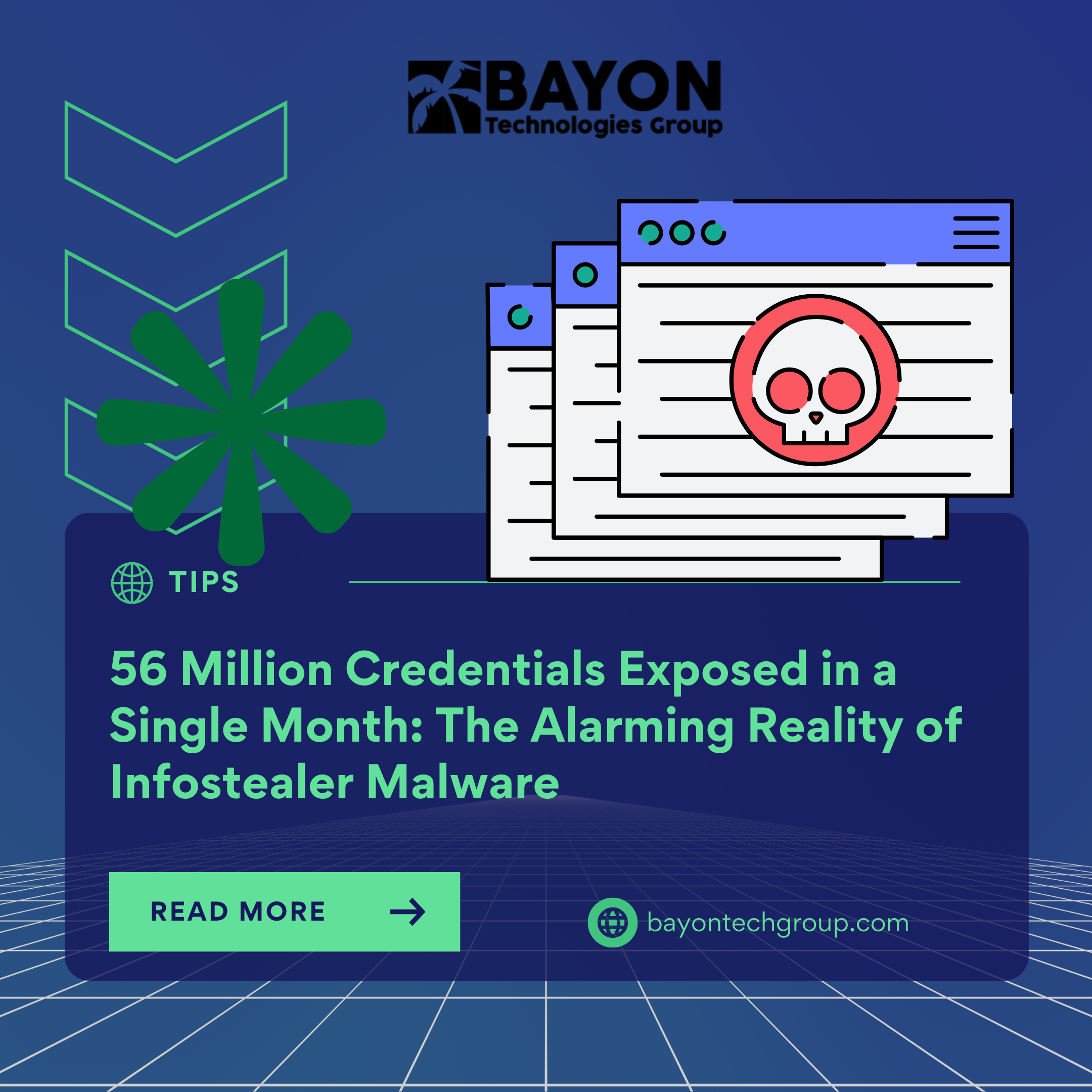
According to recent cybersecurity investigations, hacked machines leaked an astounding 56 million email-password pairs in a single month. Just a small portion of the worldwide infostealer epidemic is represented by this enormous cache of stolen credentials, which serves as a sobering warning to individuals and companies alike.
The Scale of the Crisis
The June leak is not an isolated incident. It is part of a growing wave of infostealer malware that silently harvests login credentials, session cookies, crypto wallets, and autofill data from compromised devices. These stolen credentials are then packaged and sold on underground marketplaces, fueling a thriving cybercrime economy.
What makes this particular leak significant is the sheer volume, 56 million pairs in a single month. To put that in perspective, that's nearly two million credentials stolen every single day. Each pair represents a real person with accounts across banking, email, social media, and corporate platforms. Each pair is a potential entry point for a devastating cyberattack.
How Attackers Use Stolen Credentials
Credentials are weaponized in several ways after they are stolen:
- Credential Stuffing: Attackers try stolen username/password combinations on hundreds of websites using automated tools. A single stolen credential can unlock numerous accounts because many users reuse their passwords.
- Account Takeover: If an attacker has the correct credentials, they can log in directly, alter passwords, lock out the authorized user, empty bank accounts, and steal confidential information.
- Initial Access Brokering: Ransomware gangs purchase stolen corporate credentials, which they then exploit to launch deadly ransomware attacks.
According to the 2024 Verizon Data Breach Investigations Report, compromised credentials are the most common attack vector, accounting for approximately 80% of all breaches.
How to Protect Yourself
Due to the extent of the infostealer epidemic, proactive credential hygiene must replace reactive password updates.
1. Make use of a password manager
Give up memorization and password reuse. For each account, a trustworthy password manager creates and saves a unique, complicated password. There is just one master password that you need to keep in mind.
2. Turn on MFA, or multi-factor authentication.
A second degree of security is added by MFA. An attacker cannot access your account without the second factor, which might be a biometric scan, a physical key, or a code from an authenticator app, even if your password is compromised.
3. Verify Whether Your Credentials Have Been Shared
To find out if your password or email is included in known data breaches, use services like Have I Been Pwned. If it happens, change the password right away and anywhere it was used.
4. Keep an eye on your accounts
Check for illegal access to your account activity, credit reports, and bank statements on a regular basis.
How Bayon Technologies Group Can Help You Stay Safe
At Bayon Technologies Group, we understand that credential theft is one of the most significant threats facing individuals and organizations today. We help you:
- Implement Enterprise Password Management: We deploy and manage secure password solutions across your organization.
- Enforce MFA Everywhere: We help you roll out multi-factor authentication across all critical systems.
- Conduct Dark Web Monitoring: We continuously scan for stolen credentials associated with your domain and alert you before they are used.
- Provide Security Awareness Training: We educate your workforce on the importance of credential hygiene and how to recognize phishing attempts that steal login information.
The 56 million credentials leaked in June are a wake-up call. Contact Bayon Technologies Group today to build a layered defense that keeps your accounts secure.
‹ Back
Recent Posts
-
AI Malware Can Now Rewrite Itself to Evade Detection, and It's Already Here
September 23, 2026
-

Your IP Camera Could Be the Backdoor Into Your Corporate Network
September 16, 2026
-
Open Redirect Vulnerabilities: How a Simple Feature Becomes a Security Risk
September 15, 2026
-
Serverless Function Security: The Hidden Risks Behind Cloud Functions
September 11, 2026
-