

Protect Your Financial Identity: A Step-by-Step Guide to Detecting and Stopping Identity Theft
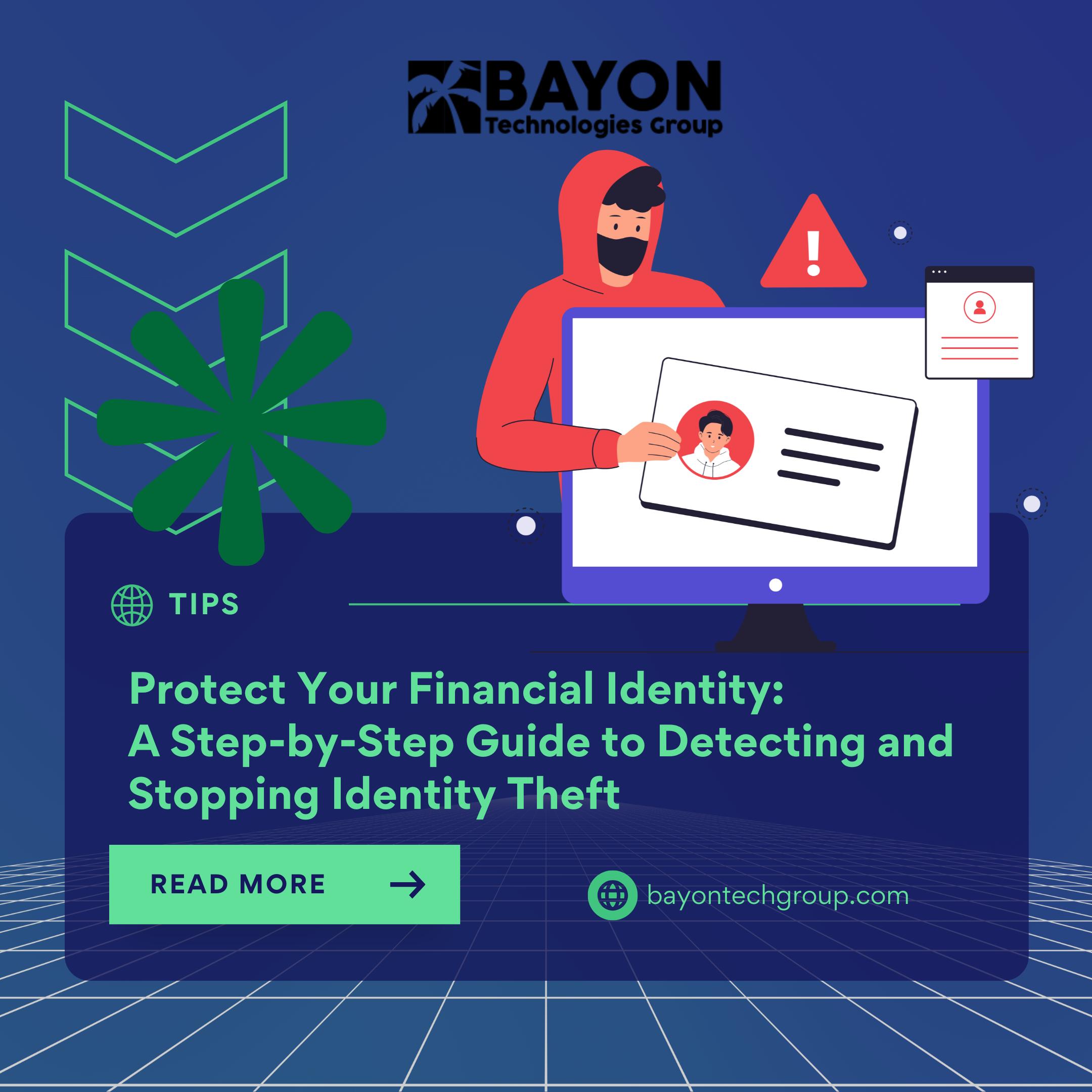
The primary keys to your financial identification in the US are your Social Security Number (SSN) and personal information. They can be used, frequently without your awareness, to open fake accounts, obtain loans, and harm your credit when compromised. To safeguard your money and reputation, you must identify the early warning indicators and take prompt action.
Cautionary Signs: It's Possible That Your Identity Was Compromised
Your main line of defense is vigilance. If you see any of these warning signs, act right away:
- Unknown accounts or questions from AnnualCreditReport.com regarding your credit report.
- Bills or collection notifications for services or accounts that you never used.
- Denials of loans or credit even while your credit is good, or sudden shifts in your credit score.
- Missing mail, particularly financial statements that might have been misdirected or stolen.
- IRS notifications regarding a tax return that was filed under your name but was not filed.
Your 5-Step US Identity Theft Action Plan
To report fraud, minimize damage, and start the healing process, carefully follow these procedures.
✅ Step 1: Verify your credit reports and set up a fraud alert.
You should start by placing a free, one-year fraud alert with one of the three national credit bureaus: Experian, Equifax, or TransUnion. This means that before granting you new credit, lenders must confirm your identification. After that, get your free reports right away from AnnualCreditReport.com and carefully review them to spot any fraudulent activity.
✅ Step 2: Inform the FTC about Identity Theft
Use IdentityTheft.gov to submit an official federal report to the Federal Trade Commission (FTC). This website serves as your main hub for developing a customized recovery plan and producing an Identity Theft Report, which is essential for disputing fraudulent products with credit bureaus and businesses.
✅ Step 3: Get in touch with pertinent businesses and dispute fraud
If an account was fraudulently formed in your name, get in touch with the fraud department of the company (banks, credit card companies, utilities, etc.). To shut the accounts and contest the charges, speak with their fraud department, report the incident, and follow up in writing. Make use of the police and FTC reports as proof.
✅ Step 4: Submit a Report to Local Law Enforcement
In addition to filing a report with your local police agency, the FTC will handle the federal report. Bring any documentation of the fraud, a government-issued ID, your FTC Identity Theft Report, and verification of your address. When interacting with creditors that demand one, a police report can be useful.
✅ Step 5: Follow Up and Keep Careful Records
Maintain a well-organized record of all your interactions, including who you spoke with, the date, the representative's name, and the topics of discussion. Until phony accounts are canceled and deleted from your credit report, keep following up. To completely block access to your credit information, think about implementing a more stringent credit freeze with all three bureaus.
Final Conclusions and Preventive Defense
Identity theft is a widespread and serious crime. The majority of the debts that result from it are not your responsibility, yet you still need to take action to protect your rights. Never provide money to someone who says they can "erase" your identity theft issues; this is a victim-focused recovery scam.
Take extreme precautions to protect your SSN. Use strong, one-of-a-kind passwords for your online accounts, be cautious when sharing information, delete sensitive documents, and routinely check your credit and bank accounts.
We at Bayon Technologies Group are aware that your personal information is a primary target in the digital age. Because preserving your identity is essential to maintaining your financial well-being, our cybersecurity services assist both individuals and organizations in developing proactive defenses.
‹ Back
Recent Posts
-

-
-

-

Protecting Your Bottom Line: The True Financial Cost of a Data Breach
September 30, 2026
-